
In today’s fast-paced world, stress seems to be the unwelcome guest that just won’t leave. Whether it’s work deadlines, family obligations, or the latest Netflix series cliffhanger, stress can turn even the calmest person into a ball of nerves. But fear not—there’s a treasure trove of stress relief techniques waiting to rescue sanity and restore balance.
Understanding Stress Relief
Stress refers to the body’s reaction to challenges or demands. It manifests as physical, emotional, or mental strain triggered by various situations. Events like work pressures or personal issues increase stress levels. Chronic stress can lead to serious health problems, including anxiety disorders and heart complications.
What Is Stress?
Stress represents the body’s response to perceived threats or challenges. Mental and emotional responses accompany physical reactions, such as increased heart rate and heightened alertness. Various factors, including environmental pressures, lifestyle choices, and genetics influence stress levels. Identifying personal triggers provides insight into how to manage stress effectively.
The Importance of Stress Relief
Stress relief plays a crucial role in maintaining overall well-being. Reducing stress enhances physical health, supporting the immune system and lowering risks for chronic diseases. Mental clarity improves with effective stress management strategies. Engaging in activities like exercise, mindfulness, or hobbies fosters relaxation. Prioritizing stress relief leads to better emotional regulation and stronger relationships.
Techniques for Stress Relief
Various techniques exist for alleviating stress. Implementing these methods enhances well-being.
Mindfulness and Meditation
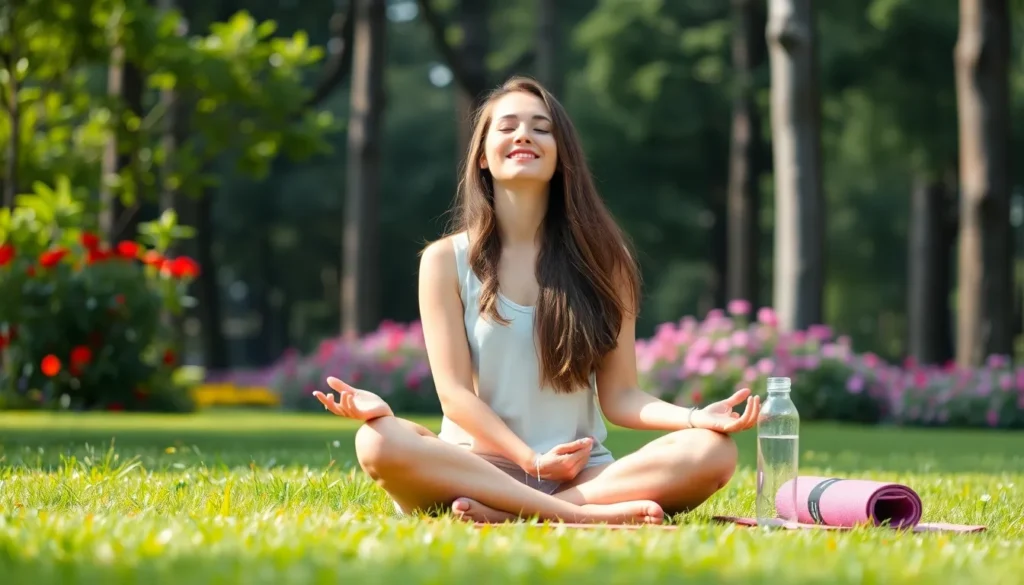
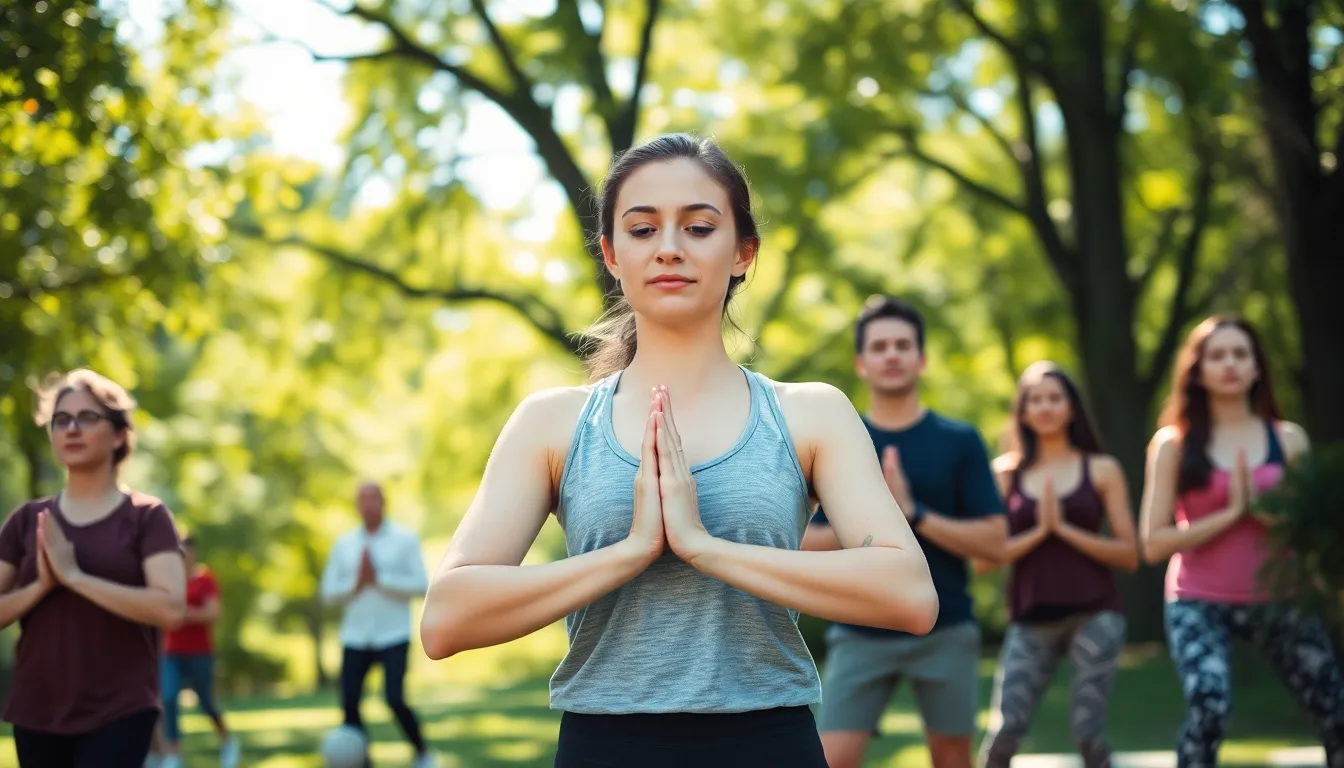
Mindfulness and meditation focus on present awareness. Practicing these techniques fosters calmness and clarity. Engaging in mindfulness activities reduces anxiety by encouraging individuals to observe their thoughts without judgment. Daily meditation for even ten minutes significantly lowers stress levels. Individuals seeking tranquility may benefit from guided meditation apps or local classes. These resources provide structured environments for enhancing mindfulness skills.
Physical Exercise
Physical exercise serves as a powerful stress reliever. Activities like walking, jogging, or cycling promote the release of endorphins, which improve mood. Regular aerobic exercise can decrease tension and anxiety, with as little as 30 minutes recommended most days. Individuals who engage in team sports or group classes may enjoy additional social benefits, enhancing overall support systems. Incorporating exercise into daily routines leads to long-lasting stress management improvements.
Deep Breathing Exercises
Deep breathing exercises effectively combat stress. Techniques such as diaphragmatic breathing promote relaxation by calming the nervous system. Practicing deep breathing for five minutes can quickly alleviate feelings of anxiety. Additionally, various methods, like the 4-7-8 technique, help establish a rhythmic breathing pattern. This pattern instills a sense of peace and grounding. Regular inclusion of deep breathing exercises in daily routines creates a proactive approach to managing stress.
Lifestyle Changes for Effective Stress Relief
Making lifestyle changes significantly boosts stress relief. Adjusting daily habits can lead to improved well-being.
Healthy Eating Habits
Maintaining healthy eating habits plays a crucial role in managing stress. Consuming a balanced diet rich in fruits, vegetables, whole grains, and lean proteins supports physical and mental health. Nutrient deficiencies can exacerbate anxiety. Magnesium and Omega-3 fatty acids, for example, help regulate mood. Staying hydrated also affects cognitive function and mood. Eating regular meals helps stabilize blood sugar levels, preventing mood swings. Mindful eating encourages one to focus on food choices while enjoying the process, contributing to overall calm.
Sleep Hygiene
Establishing good sleep hygiene fosters better stress management. Prioritizing sufficient sleep enhances mood and cognitive function. Creating a consistent sleep schedule regulates the body’s internal clock. The sleeping environment should be dark, cool, and quiet to promote restful sleep. Engaging in relaxing activities before bedtime, such as reading or gentle stretching, signals the body to wind down. Limiting screen time before bed minimizes blue light exposure, which disrupts melatonin production. With better sleep, individuals experience improved emotional regulation and resilience to stress.
Social Support Networks
Building and maintaining social support networks provides essential stress relief. Connections with friends and family help individuals feel valued and understood. Sharing experiences with supportive people fosters emotional resilience. Joining community groups or engaging in group activities introduces new relationships and reduces feelings of isolation. Communicating openly about concerns and seeking advice lowers stress levels. Regular social interactions significantly enhance mood and decrease anxiety, making them a vital component of effective stress management.
Natural Remedies for Stress Relief
Natural remedies provide various ways to alleviate stress. Incorporating these approaches into daily routines promotes relaxation and emotional balance.
Herbal Supplements
Herbal supplements offer notable benefits for stress relief. Adaptogens like ashwagandha help the body manage stress. Chamomile promotes relaxation and may improve sleep quality. Lavender is known for its calming effects, often used in teas or aromatherapy. Valerian root can aid in sleep and reduce anxiety levels. Using these supplements requires caution, especially when combining them with medications. Consulting a healthcare professional ensures safe usage and effective support.
Aromatherapy
Aromatherapy utilizes essential oils to foster a calming environment. Lavender oil relaxes the mind and body, making it a popular choice. Peppermint oil can invigorate senses while relieving tension headaches. Bergamot oil, extracted from citrus fruit, may reduce anxiety and improve mood. Diffusing these oils or using them in bath rituals enhances their stress-relieving properties. Choosing high-quality oils is essential for maximizing benefits. Exploring various scents helps individuals find the right aroma that resonates with their preferences.
Managing stress is crucial for maintaining a balanced and healthy life. By incorporating various techniques such as mindfulness, exercise, and proper nutrition, individuals can significantly reduce their stress levels. Embracing natural remedies and fostering social connections further enhances emotional resilience.
It’s essential to remember that stress relief is a personal journey. What works for one person may not work for another. Experimenting with different strategies can lead to discovering the most effective methods for achieving peace and well-being. Prioritizing stress management not only improves overall health but also enriches daily experiences, allowing for a more fulfilling life.
