

As the world spins into 2024, it seems like every day brings a fresh batch of headlines that could make even the most seasoned news junkie raise an eyebrow. From climate change debates that could rival a heated family dinner to geopolitical shenanigans that feel more like a soap opera than reality, the current issues shaping our world are anything but dull.
Current Issues in the World 2024
Climate change continues to be a pressing issue, with global temperatures rising and extreme weather patterns becoming more frequent. This year, nations face mounting pressure to fulfill their commitments from international agreements aimed at reducing greenhouse gas emissions. The urgency to switch to renewable energy sources gains prominence, encouraging innovations in solar, wind, and hydroelectric power.
Geopolitical tensions escalate, particularly in regions such as Eastern Europe and the South China Sea. Countries actively engage in strategic alliances, with military posturing affecting global trade routes. Economic sanctions and diplomatic negotiations shape the responses of various nations in these areas.
Public health remains a major topic following the pandemic’s lingering effects. Countries strive to improve health care systems while addressing vaccine distribution disparities. Mental health also garners increased attention, as people seek support for the psychological impacts of recent global events.
Social justice movements persist, demanding structural changes within societies. Activists advocate for equality, focusing on racial and gender justice. Many communities rally around issues like police reform and voting rights, showing a commitment to creating lasting change.
Technology influences current global challenges through the rapid advancement of artificial intelligence and biotechnology. Ethical discussions surrounding these fields dominate conversations among policymakers and scientists. Data privacy and cybersecurity steadily become concerns as society navigates an increasingly digital world.
Economic instability affects countries worldwide, driven by inflation and supply chain disruptions. Many individuals experience rising costs of living, prompting discussions on minimum wage and universal basic income. Nations explore innovative solutions to bolster economic recovery and promote sustainability.
Climate Change and Environmental Challenges
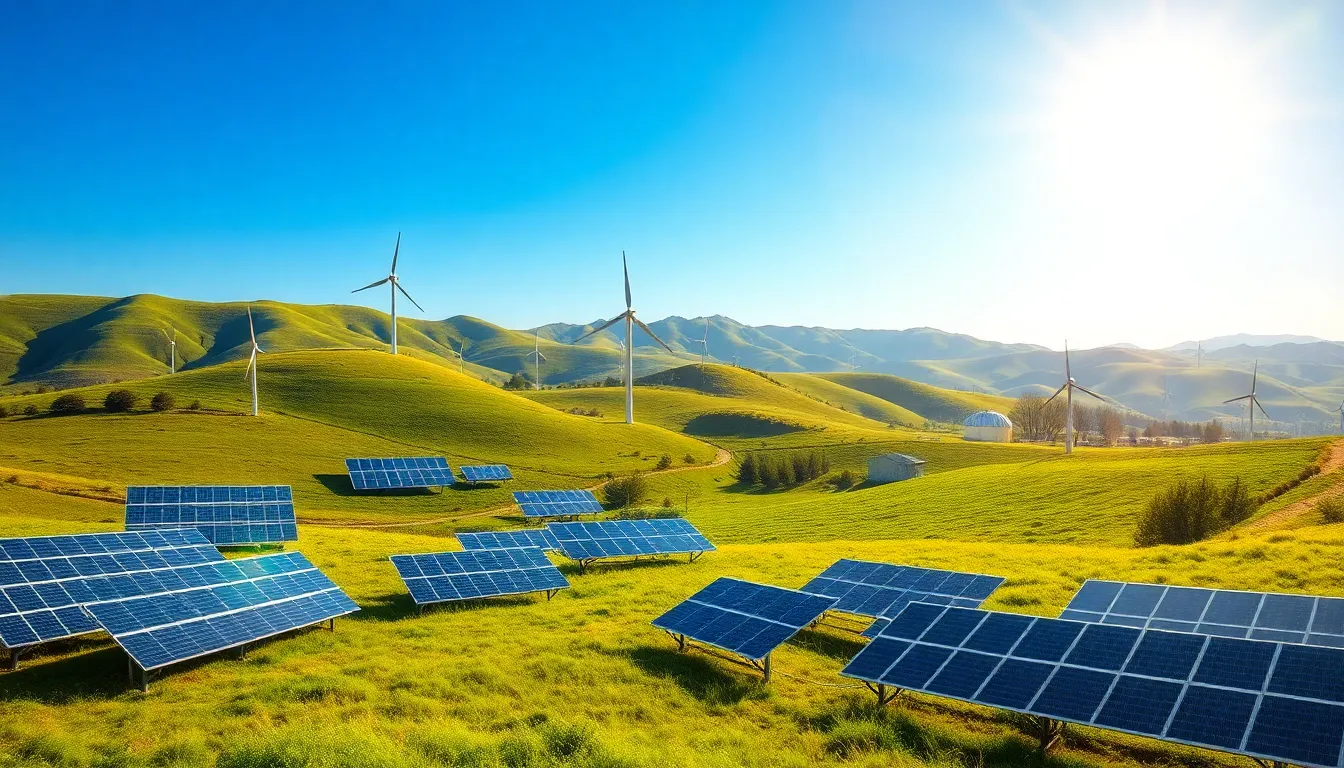
Climate change poses significant threats in various aspects of life, compelling nations to adopt urgent actions. Its impacts traverse ecosystems and disrupt weather patterns.
Impact of Global Warming
Rising temperatures contribute to the increasing frequency of extreme weather events. In 2022, global average temperatures surpassed 1.1 degrees Celsius above pre-industrial levels, intensifying droughts, floods, and hurricanes. Agriculture faces unprecedented challenges as changing climates affect crop yields and food security. Coastal areas also experience heightened risks from sea-level rise, leading to displacement for millions of people. According to the Intergovernmental Panel on Climate Change (IPCC), immediate action is essential to prevent disastrous consequences by 2030.
Renewable Energy Solutions
Transitioning to renewable energy sources plays a crucial role in combating climate change. Solar, wind, and hydroelectric power provide cleaner alternatives to fossil fuels, reducing greenhouse gas emissions significantly. The International Renewable Energy Agency (IRENA) reported that renewable energy jobs reached 12 million globally in 2021, reflecting the sector’s rapid growth. Governments are investing in infrastructure for electric vehicles and efficient public transport systems, facilitating this shift. Policy incentives encourage businesses and individuals to adopt sustainable energy practices, enhancing energy efficiency across various sectors.
Geopolitical Tensions and Conflicts
Geopolitical tensions continue to rise globally, particularly influenced by ongoing wars and diplomatic efforts.
Ongoing Wars and Conflicts
Violence persists in several regions, with Ukraine facing a prolonged conflict against Russian aggression. The situation remains critical, as both sides experience significant casualties and economic impacts. Meanwhile, conflicts in the Middle East, including in Syria and Yemen, exacerbate humanitarian crises. These wars affect millions, creating displacement and instability. Tensions in Africa also grow, such as the conflict in Ethiopia, which complicates regional peace efforts. Each conflict not only poses immediate dangers but also disrupts global stability, demonstrating the interconnectedness of geopolitical issues.
International Relations and Diplomacy
Diplomatic efforts play a crucial role in addressing these tensions. Alliances such as NATO seek to provide support to Ukraine, showcasing a united front against Russian expansionism. The United States engages in strategic dialogue with China regarding issues in the South China Sea, where military maneuvers raise concerns of confrontation. Countries are also focused on fostering communications to resolve conflicts in Africa and the Middle East, often through international organizations like the United Nations. Overall, effective diplomacy remains essential for mitigating tensions and promoting peace amid escalating conflicts and complex global relationships.
Economic Inequality and Financial Crises
Economic inequality persists as a critical issue heading into 2024. Disparities in wealth distribution exacerbate tensions and limit opportunities for marginalized groups.
Effects of Inflation
Inflation has rapidly risen, affecting purchasing power globally. Consumers face increased prices for essential goods, resulting in reduced living standards. In 2022, inflation rates in the US peaked at 9.1%, a 40-year high. Workers experience stagnant wages that don’t keep pace with inflation, leading to further economic strain. This scenario contributes to a growing middle-class decline and impacts consumer confidence. Socioeconomic gaps widen as lower-income households struggle to cope with the escalating cost of living.
Solutions to Economic Disparities
Innovative solutions for economic disparities emerge as nations reconsider their approaches. Policymakers advocate for raising minimum wages as a key strategy to support low-income workers. Universal basic income gains traction, providing financial stability for vulnerable populations. Investment in education and training programs promotes skill development, addressing job market demands. Tax reforms aim at redistributing wealth more equitably, ensuring that affluent individuals contribute fairly. Collaborative efforts among governments and private sectors focus on fostering inclusive economic growth. Programs targeting marginalized communities provide access to resources and opportunities necessary for financial advancement.
Health Crises and Pandemics
Public health remains critical as the world navigates ongoing health crises and the aftermath of recent pandemics. Disparities in healthcare access and resources highlight significant challenges facing nations today.
Advances in Healthcare
Telemedicine transformed healthcare delivery, offering remote consultations and reducing barriers to access. Innovations in vaccine technology, particularly mRNA vaccines, improved global pandemic responses, enabling faster development and deployment. Additionally, artificial intelligence enhances diagnostic accuracy and treatment personalization, leading to better patient outcomes. Countries are focusing on strengthening healthcare infrastructure to sustain these advancements. Investment in preventive medicine is increasing, emphasizing the importance of early detection and lifestyle modifications.
Future Preparedness for Global Health
Global preparedness for health threats continues to be paramount as new pathogens emerge. Collaborative research initiatives accelerate understanding of viruses and potential vaccines. Countries are investing in robust surveillance systems to monitor outbreaks and detect threats early. Policy frameworks prioritize international cooperation to ensure resource sharing during health crises. Emphasis on community engagement promotes awareness and resilience, equipping populations to respond effectively. Predictive modeling tools foresee potential outbreaks, guiding public health strategies to mitigate risks.
Technology and Privacy Concerns
Growing concerns about technology and privacy shape discussions in 2024. Individuals face risks regarding personal data safety, with data breaches occurring more frequently.
Data Security Issues
Data security remains a primary concern as cyberattacks surge. In 2022 alone, over 1,800 data breaches exposed approximately 422 million records worldwide. Organizations are racing to implement robust cybersecurity measures to protect sensitive information. Compliance with regulations like the General Data Protection Regulation (GDPR) is becoming essential for companies aiming to avoid hefty fines. Additionally, consumers demand greater transparency regarding how their data is collected and utilized. Trust in digital platforms hinges on secure data practices that safeguard user privacy.
The Rise of Artificial Intelligence
Artificial intelligence (AI) continues to revolutionize various industries, yet it raises significant privacy questions. In 2024, AI technologies analyze vast amounts of data, leading to concerns about surveillance and decision-making biases. Companies utilize AI for targeted advertising, often without clear user consent, which sparks debates over ethical practices. Regulatory bodies are beginning to address the need for guidelines to ensure responsible AI deployment, aiming to balance innovation with privacy rights. As AI integration grows, stakeholders must remain vigilant to preserve individual privacy while benefiting from technological advancements.
Social Justice and Human Rights Movements
Social justice movements address urgent societal issues, fostering equality and fair treatment for all individuals.
Advocacy for Gender Equality
Advocacy for gender equality has gained momentum, focusing on workplace rights, reproductive freedom, and equal pay. Workforce representation improves as women increasingly occupy leadership roles. Several nations have enacted policies promoting equal pay for equal work. In 2023, data indicated a gender wage gap persistently endured, with women earning approximately 82 cents for every dollar earned by men. Activists encourage the removal of barriers hindering women’s advancement in various sectors. Gender-based violence remains a significant challenge, and global campaigns seek to raise awareness and demand accountability. Organizations continue to push for comprehensive reforms that guarantee equal rights, fostering an inclusive environment.
Racial Justice Initiatives
Racial justice initiatives are critical in the ongoing dialogue about equality and systemic discrimination. Movements emphasizing police reform and accountability have gained traction, particularly in the wake of high-profile incidents. Detailed studies revealed that Black individuals are three times more likely to experience police violence compared to their white counterparts. Increased advocacy efforts aim to dismantle systemic barriers and ensure equitable treatment across all communities. Grassroots organizations mobilize to engage residents in local governance and policy-making processes. Collaborative initiatives call for education reform, recognizing the need for diverse curriculum representation. Representation in media and politics fosters understanding and empathy, bridging racial divides.
The world in 2024 faces a myriad of challenges that demand urgent attention and collaboration. Climate change remains a central issue as nations strive to meet their environmental commitments while navigating the complexities of geopolitical tensions. Public health continues to be a priority as communities adapt to new health threats and seek equitable access to care.
Social justice movements are gaining momentum, advocating for necessary reforms to address systemic inequalities. Meanwhile, the rapid advancement of technology presents both opportunities and risks, particularly regarding privacy and data security. As economic disparities widen, innovative solutions are essential for fostering inclusive growth.
Navigating these interconnected issues requires a collective effort from governments, organizations, and individuals to promote sustainable practices and ensure a just future for all. The path ahead is challenging but presents an opportunity for meaningful change.
