
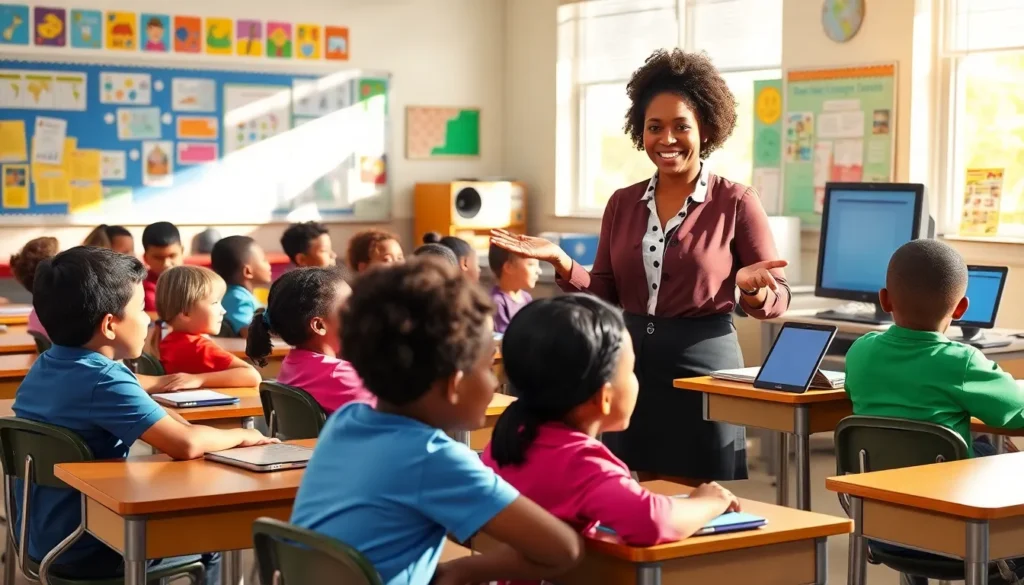
In today’s fast-paced world, K-12 education faces challenges that could make even the most seasoned teachers pull their hair out. From budget cuts that leave classrooms with more empty chairs than textbooks to the ongoing debate over standardized testing, it’s clear that the educational landscape is anything but smooth sailing. But hey, who doesn’t love a little chaos with their curriculum?
As parents, educators, and policymakers grapple with these pressing issues, it’s essential to understand how they impact students’ learning experiences. Whether it’s the rise of technology in the classroom or the need for mental health support, these topics deserve a spotlight. Buckle up for a deep dive into the current issues that are shaping the future of K-12 education—because who wouldn’t want to navigate this rollercoaster ride?
Overview Of Current Issues In K-12 Education Today
Budget cuts significantly impact K-12 education. Many school districts report reduced funding leading to fewer resources for classrooms and extracurricular activities. Standardized testing remains a contentious issue, with ongoing debates about its effectiveness and impact on student learning. Critics argue that these tests often do not reflect students’ knowledge and skills, pushing educators to teach to the test instead of fostering a deeper understanding of the material.
Technology integration in classrooms presents both opportunities and challenges. Schools increasingly adopt digital tools, enhancing educational experiences. Yet, the digital divide persists, leaving underserved students without necessary access. Effective training for teachers in utilizing technology is vital for maximizing its potential benefits.
Mental health support has emerged as a critical focus. Many students face psychological challenges that affect their academic performance and overall well-being. Schools are beginning to implement programs to address mental health but require adequate funding and trained professionals to provide comprehensive care.
Equity in education also remains a priority. Disparities exist among students based on socioeconomic status, race, and geographic location. Policymakers must address systemic inequalities to create a fair educational landscape for all learners.
Teacher retention is increasingly problematic. High turnover rates affect student achievement and continuity in education. Improving working conditions and providing adequate support can help retain qualified educators.
Adjustments to curriculum standards are necessary to meet evolving educational needs. Stakeholders recognize the importance of preparing students for a rapidly changing job market. By focusing on critical thinking, creativity, and collaboration, schools can better equip students for future challenges.
Funding Challenges

Funding challenges significantly affect the quality of education. Decreased budgets have constrained the resources available for K-12 institutions.
Impact On School Resources
Limited financial support leads to fewer supplies, outdated technologies, and insufficient staffing. Schools often face program cancellations, impacting extracurricular activities and student engagement. Special education services suffer the most due to funding discrepancies. Disparities exist between affluent districts and those in lower-income areas, creating unequal opportunities. Educators frequently utilize personal funds to support classroom needs, which exacerbates financial strain. These budget-related issues hinder a school’s ability to provide adequate training and support for teaching staff.
Solutions And Innovations
Innovative approaches are emerging to combat funding challenges. Many districts explore partnerships with local businesses to supplement resources. Crowdfunding initiatives allow communities to contribute to specific school projects. Grants from government and private organizations help address some funding shortfalls. Implementing cost-effective digital tools can enhance learning while reducing overall expenses. Advocacy for increased state and federal funding also plays a crucial role in securing necessary financial support. Creative budget management strategies enable schools to prioritize essential programs, ensuring they meet students’ needs effectively.
Teacher Shortages
Teacher shortages significantly impact K-12 education, leading to larger class sizes and diminished student support. This issue stems from various factors that contribute to educators leaving the profession or failing to enter it.
Causes Of The Shortage
Low salaries represent a primary cause for the shortage. Many educators earn less than the national average, making it difficult to attract and retain talent. Difficult working conditions also play a role, as teachers face heavy workloads and limited administrative support. The lack of professional development opportunities can discourage growth and motivation, further leading to turnover. Additionally, societal undervaluation of the teaching profession results in fewer individuals pursuing education degrees.
Strategies For Retention
Increasing salaries and providing competitive benefits help retain teachers. Many districts have started offering signing bonuses to attract new talent. Enhanced professional development opportunities also contribute to job satisfaction, ensuring educators feel supported and valued. Establishing mentorship programs aids in integrating new teachers into school communities. Finally, implementing positive workplace cultures promotes collaboration and reduces stress, allowing teachers to thrive in their roles.
Standardized Testing And Assessment
Standardized testing remains a critical issue in K-12 education. Debates over its effectiveness influence policy decisions and student experiences.
Effects On Student Learning
Standardized tests often narrow the curriculum, leading to a focus on test preparation over comprehensive learning. This restricted approach reduces student engagement and creativity. Anxiety frequently accompanies high-stakes testing, adversely impacting student performance and mental well-being. Some students demonstrate knowledge and skills inadequately assessed by standard metrics, resulting in an incomplete picture of their abilities. Disparities based on socioeconomic status and learning styles further complicate outcomes, placing underserved students at a disadvantage. Overall, reliance on standardized assessment does not capture the full range of student learning and growth.
Alternatives To Traditional Testing
Several alternatives to standardized testing emerge as viable options. Portfolio assessments showcase a student’s progress through a collection of work over time. Performance-based assessments measure skills through real-world tasks, providing a broader glimpse into student capabilities. Formative assessments allow for ongoing feedback, helping educators adjust instruction to meet individual needs. Additionally, project-based learning fosters collaboration and critical thinking, cultivating deeper understanding. These alternatives can create a more accurate representation of students’ knowledge while supporting diverse learning styles and backgrounds. Schools increasingly explore these methods to enhance educational experiences and equity.
Technology Integration In The Classroom
Technology integration in classrooms transforms teaching and learning experiences. This shift enhances educational opportunities but comes with challenges that require attention.
Benefits And Drawbacks
Engaging students through technology fosters collaboration and creativity. Digital tools can support personalized learning based on individual needs. Educators find that multimedia resources enhance understanding of complex concepts and improve retention. On the flip side, over-reliance on technology might lead to distractions or decreased face-to-face interactions. Some teachers report difficulties in managing classroom dynamics when technology becomes the primary focus. Balancing these benefits and drawbacks remains crucial for effective implementation.
Access And Equity Concerns
Access to technology varies significantly among students. Underfunded schools often struggle to provide adequate resources, widening the achievement gap. Families in lower-income areas may lack internet connectivity, impacting students’ ability to complete assignments or engage in digital learning. Equity in technology access isn’t just a challenge; it’s essential for fair education. Schools must prioritize strategies that ensure all students benefit from technological advancements, so disparities do not hinder educational outcomes. Solving these concerns promotes a more inclusive learning environment.
Mental Health And Student Well-Being
Mental health and student well-being have emerged as critical priorities in K-12 education. As awareness of mental health challenges increases, schools face the responsibility of providing adequate support systems.
Support Systems In Schools
Support systems in schools include various mental health resources that significantly enhance student well-being. Trained counselors, social workers, and psychologists play vital roles in identifying at-risk students and addressing their needs. Schools also benefit from implementing programs that promote social-emotional learning, fostering resilience and coping skills in students. Peer support groups offer safe spaces for students to share experiences, reducing feelings of isolation. Furthermore, collaboration with community organizations extends support beyond school walls, creating a more comprehensive network for student assistance.
Addressing Stigma Around Mental Health
Addressing stigma around mental health becomes essential for creating an open and supportive school environment. Many students hesitate to seek help due to misconceptions about mental health issues. Educators can promote awareness through workshops and campaigns that educate students on the importance of mental well-being. Encouraging discussions around mental health normalizes the conversation, helping students understand that seeking support is a strength, not a weakness. Engaging parents in these conversations also builds a supportive community, fostering acceptance and reducing stigma. Promoting understanding ensures students feel comfortable accessing mental health resources when needed.
The landscape of K-12 education is evolving amid significant challenges that require urgent attention. Budget constraints continue to limit resources and opportunities for students, while teacher shortages threaten the quality of education. The ongoing debate surrounding standardized testing calls for innovative assessment methods that better reflect students’ diverse abilities.
Moreover, the integration of technology must prioritize equitable access to ensure all students benefit. Mental health support is increasingly vital for fostering a conducive learning environment. Addressing these issues is essential for creating a more equitable and effective educational system that meets the needs of every student. By advocating for change and exploring creative solutions, stakeholders can work together to improve the future of K-12 education.
