

Alaska might conjure images of breathtaking landscapes and the Northern Lights, but it’s also a land of economic twists and turns that could rival a moose on roller skates. As the state navigates its unique challenges and opportunities, understanding the latest economic trends becomes essential for anyone interested in the Last Frontier.
Overview Of Alaska’s Economy
Alaska’s economy demonstrates a unique blend of traditional and emerging sectors. The primary industry, oil and gas, significantly contributes to the state’s revenue, accounting for approximately 90% of unrestricted state funding. In recent years, production levels have fluctuated, impacting overall economic stability.
Tourism plays a crucial role, drawing millions of visitors each year to explore the state’s natural attractions. About 2.3 million tourists visited in 2019, actively supporting local businesses and employment. Seasonal employment spikes during peak months reflect tourism’s influence on job availability.
Commercial fishing remains a vital component of Alaska’s economic landscape. This industry generates roughly $1.5 billion annually, with seafood exports reaching global markets. The state’s rich marine resources emphasize its significance in this sector.
Mining operations also contribute substantially to Alaska’s economy. Minerals, including gold, silver, and copper, are extracted, creating jobs and revenue streams. Notably, mining supports remote communities providing essential employment opportunities.
Agriculture and forestry contribute on a smaller scale, yet they offer vital goods and services. The agricultural sector provides local food production, while forestry emphasizes sustainable practices. These activities enhance food security and resource management within the state.
Alaska’s economy faces both challenges and opportunities. Climate change affects traditional industries, while advancements in technology open new pathways for growth. Adaptation strategies focus on sustainability and diversification to ensure long-term economic vitality.
As these sectors continue to evolve, understanding Alaska’s economic trends becomes essential for stakeholders. Analyzing these elements helps identify future directions and prepares for potential shifts in the state’s economic framework.
Key Economic Sectors
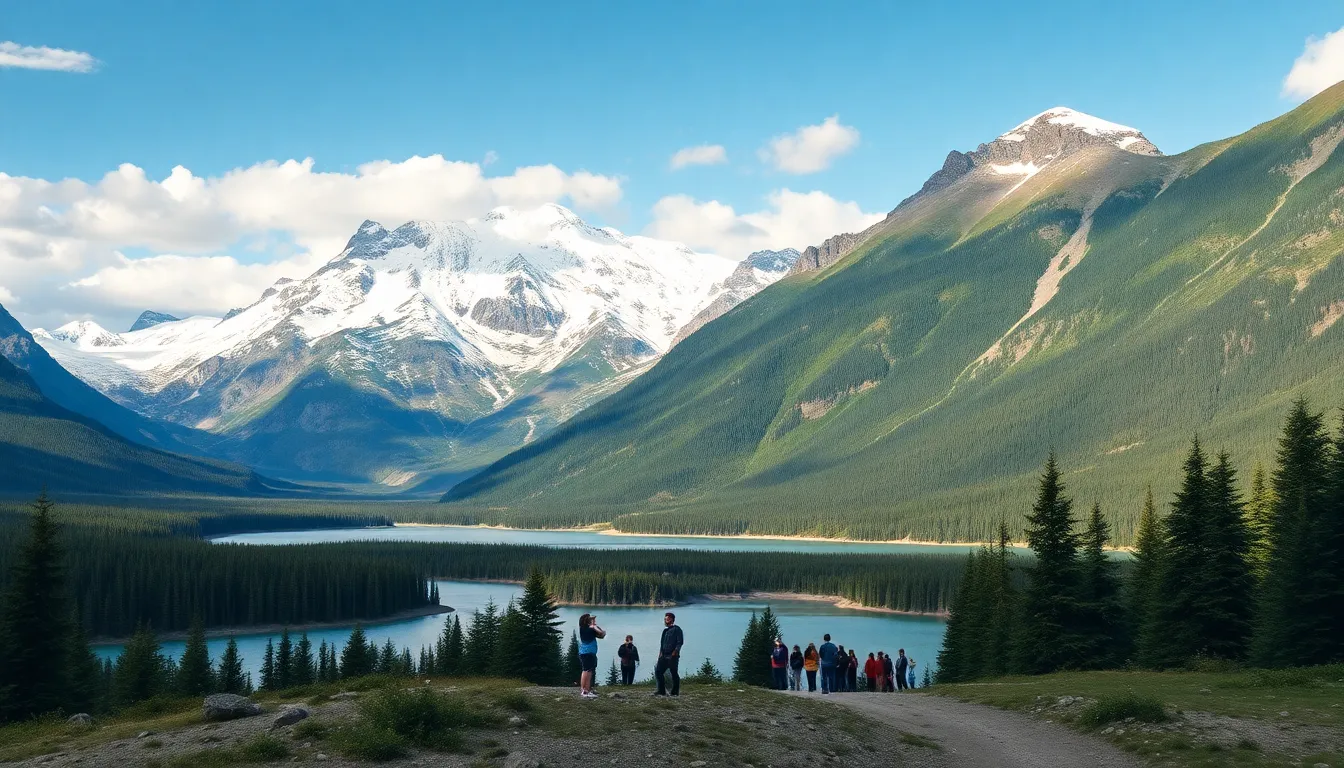
Alaska’s economy relies on various key sectors that drive growth and development. Each sector plays a vital role in shaping the state’s economic landscape.
Natural Resources
Natural resources form the foundation of Alaska’s economy. Oil and gas dominate the landscape, supplying approximately 90% of unrestricted state funding. Extraction activities affect job creation and local revenues. Mining contributes significantly as well, providing essential minerals and employment opportunities, particularly in remote areas. The state holds vast potential in renewable energy, including wind and tidal energy. By investing in these alternatives, economic diversification becomes possible.
Tourism
Tourism ranks as a critical sector for Alaska’s economy. Millions flock to see the breathtaking landscapes and unique wildlife each year. Visitors contribute significantly to local businesses and jobs, particularly in regions like Anchorage and Juneau. Seasonal peaks coincide with major events and summer activities, enhancing economic benefits. Communities rely on tourism to support restaurants, shops, and accommodations. Efforts to promote sustainable tourism aim to protect natural resources while ensuring economic vitality.
Fishing Industry
Fishing holds substantial importance in Alaska’s economic framework. Commercial fishing generates around $1.5 billion annually, showcasing the state’s role as a leader in seafood production. Salmon, crab, and halibut top the list of valuable exports. This industry supports thousands of jobs and strengthens local communities. Challenges from regulations and environmental shifts require adaptive strategies for sustainability. Continued investment in fisheries management maintains the health of this essential sector and ensures long-term economic advantages.
Recent Economic Trends
Alaska’s economy continues to evolve, reflecting both traditional strengths and emerging opportunities. Understanding these trends helps stakeholders make informed decisions.
Growth Patterns
Growing sectors define Alaska’s economic landscape. The oil and gas industry remains dominant, but technology and innovation spur growth in renewable energy. In 2022, gross state product expanded by 4.5 percent, driven by increased tourism and mining activities. Tourism numbers reached over 2 million visitors in the summer season, boosting revenues and local business. Mining, particularly for precious metals, has gained momentum with new projects launched. A focus on sustainable practices within these sectors enhances long-term viability, supporting Alaska’s diverse economy.
Employment Rates
Employment rates reflect Alaska’s economic resilience. The unemployment rate stood at 5.2 percent in 2023, showing gradual improvement from previous years. Job growth noted in tourism and healthcare creates new opportunities, addressing local workforce shortages. In rural areas, fish processing and mining jobs often provide critical employment. Additionally, statewide initiatives to support training and education programs aim to equip residents with necessary skills, fostering a more robust labor market. Seasonal employment in industries like fishing and tourism also offers various opportunities, contributing to overall economic stability.
Challenges Facing Alaska’s Economy
Alaska’s economy faces several significant challenges that could impact its growth and stability.
Population Decline
Population decline presents a critical challenge for Alaska’s economy. The state saw a decrease of about 1.4 percent from 2020 to 2022, leading to a lower workforce. Fewer residents mean reduced consumer spending, affecting local businesses and employment opportunities. Young people leave for better job prospects elsewhere, further exacerbating demographic issues. This trend could hinder economic development by limiting innovation and decreasing tax revenues.
Infrastructure Issues
Infrastructure issues also pose large obstacles for economic growth. Aging roads, inadequate public transportation, and limited broadband access disrupt logistical efficiency and the delivery of services. Poor infrastructure negatively impacts tourism and commerce, as visitors require reliable transportation and services. Investments in infrastructure are necessary to attract businesses and improve quality of life. Addressing these concerns can enable Alaska to unlock its full economic potential.
Future Outlook For Alaska
Alaska’s economic future hinges on several key factors, primarily driven by its dominant sectors. The oil and gas industry, while foundational, shows vulnerability due to fluctuating global prices. Continued investment in renewable energy sources can provide a hedge against this volatility.
Tourism, crucial for economic diversity, is poised to grow. Projections indicate that the visitor count could surpass 3 million by 2025, stimulating jobs in hospitality and local businesses. In 2022, tourism provided a strong backdrop for growth, encompassing both seasonal and year-round opportunities.
Healthcare employment is expanding, with higher demand for skilled professionals. Increasing retirement rates among current workers will open additional job vacancies, thus addressing workforce shortages. This trend directly correlates with rising local population needs.
Commercial fishing maintains its significance, with $1.5 billion in annual revenue tied principally to seafood exports. New fishing regulations promise sustainability, potentially enhancing yields as communities adapt to environmental challenges. Salmon, crab, and halibut will remain staples, anchoring this sector.
Mining operations are experiencing a renaissance. New projects focusing on precious metals exhibit promise for further job creation and economic contributions. With mining’s resurgence, remote communities stand to benefit significantly.
Population trends pose challenges. A 1.4 percent decline from 2020 to 2022 raises concerns about future workforce numbers and economic vitality. Attracting young professionals back to Alaska will become critical.
Infrastructure investments will play a pivotal role in shaping future growth. Aging roads and transportation issues can adversely affect commerce and tourism. Upgrades can enhance logistical efficiency, unlocking economic potential and improving quality of life.
Alaska’s path forward involves balancing traditional economic strengths with emerging opportunities, guided by strategic planning and innovative thinking.
Alaska’s economic landscape is at a crossroads. While traditional sectors like oil and gas remain crucial, opportunities in tourism, healthcare, and renewable energy are emerging. The state’s ability to adapt to challenges such as population decline and infrastructure issues will be vital for future growth.
Investments in sustainable practices and technological advancements can drive diversification and resilience. By addressing these challenges head-on, Alaska can harness its unique resources and natural beauty to foster a thriving economy. Stakeholders must remain vigilant and proactive to ensure that Alaska’s economic potential is realized in the years to come.
