
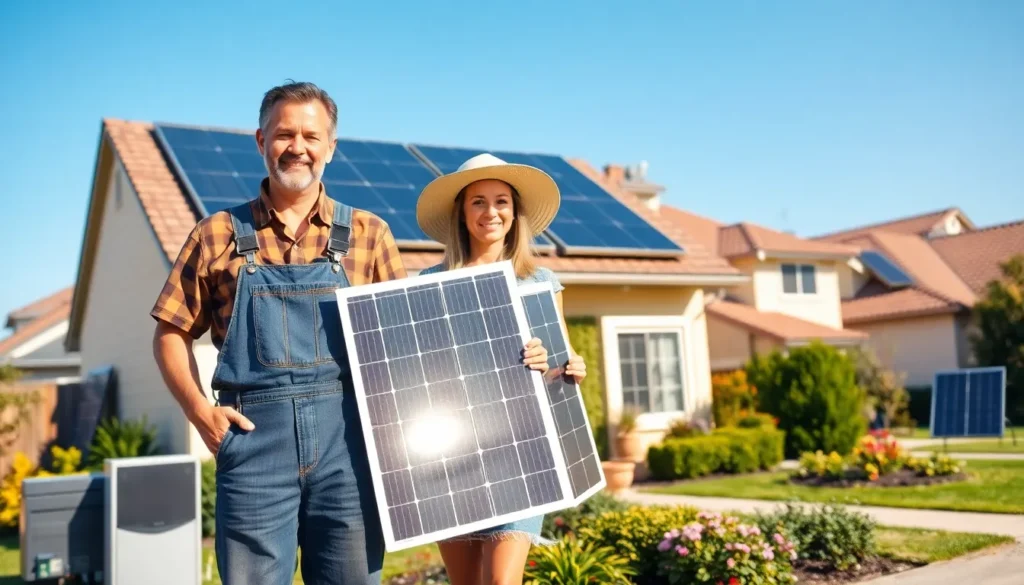
In an era where sustainable living is becoming increasingly important, the rise of DIY solar energy solutions offers a practical way for homeowners to embrace renewable energy. Homerocketrealty is at the forefront of this movement, especially with their exciting initiative, Pangolin, which cleverly integrates the benefits of DIY solar systems. This comprehensive guide delves into the essential components, installation processes, and inspiring success stories surrounding DIY solar energy and the unique role of Pangolin.
Understanding DIY Solar Energy Solutions
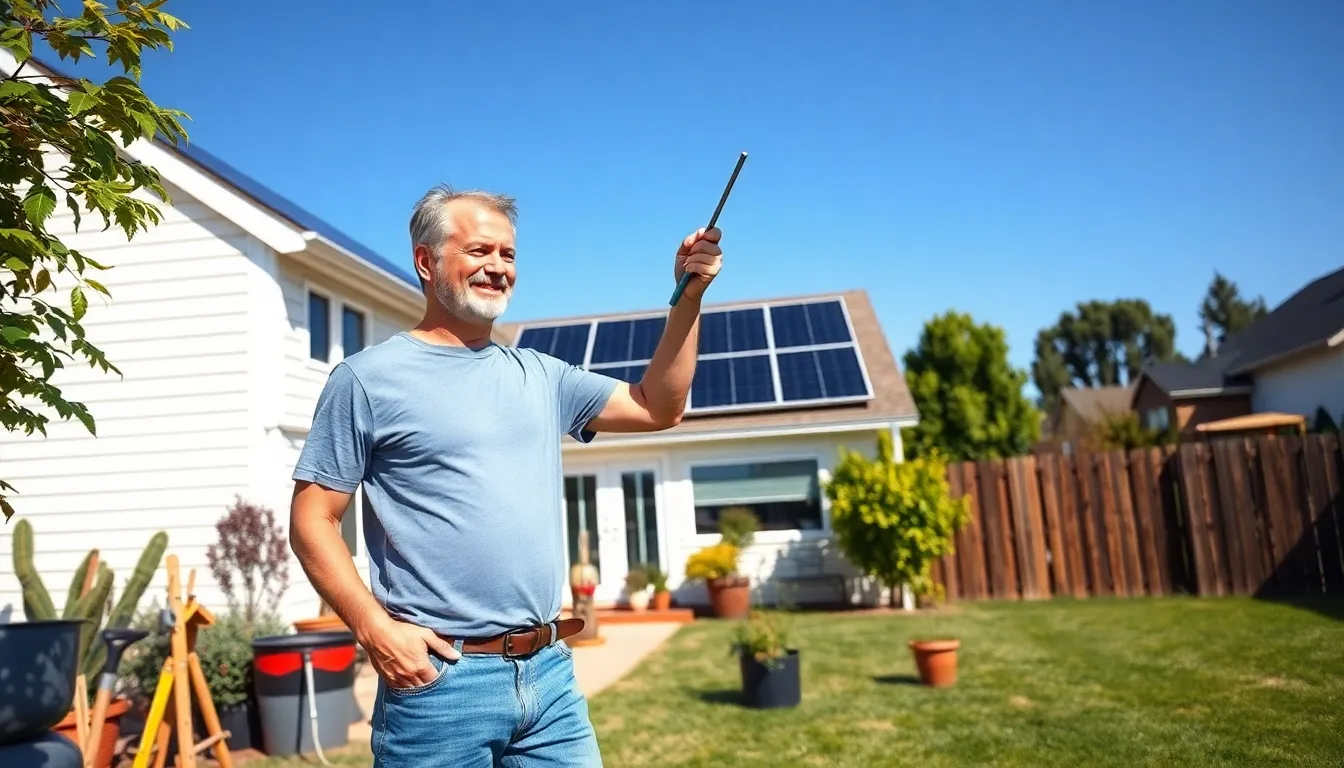
Solar energy has revolutionized the way homeowners think about energy consumption and production. Transitioning to solar energy not only benefits the environment but can also lead to significant cost savings over time.
The Benefits of Solar Energy for Homeowners
Solar energy is a clean, renewable resource that reduces reliance on fossil fuels. For homeowners, the benefits are manifold:
- Cost Savings: By generating their own electricity, homeowners can significantly cut down on electricity bills.
- Increased Property Value: Homes with solar energy systems are often more attractive to buyers, commanding higher resale prices.
- Energy Independence: DIY solar systems empower homeowners to produce their own energy, thereby increasing their energy autonomy.
- Environmental Impact: Using solar energy reduces greenhouse gas emissions, making it an eco-friendly choice that contributes to a healthier planet.
How DIY Solar Systems Work
DIY solar systems allow homeowners to harness the sun’s power in a customizable way that suits their specific energy needs. Understanding how these systems operate is crucial for a successful installation.
Key Components of a DIY Solar System
A typical DIY solar system includes several critical components:
- Solar Panels: These capture sunlight and convert it into electricity.
- Inverters: They convert direct current (DC) generated by solar panels into alternating current (AC), which is used by most home appliances.
- Mounting Structures: These are essential for securely attaching solar panels to roofs or ground bases.
- Battery Storage (optional): Batteries store excess energy for use during cloudy days or at night.
Choosing the Right Solar Panels and Inverters
Selecting the right solar panels and inverters is crucial. There are various types of solar panels on the market, including monocrystalline, polycrystalline, and thin-film. Identifying the most efficient type based on specific energy needs is vital. Similarly, inverters vary in complexity and capabilities, impacting overall system performance.
Installation Process for DIY Solar Systems
Installing a DIY solar system can be a gratifying yet challenging project. Homeowners need to be prepared for various aspects of the installation process to ensure a successful setup.
Common Challenges and Solutions in DIY Solar Projects
Some challenges homeowners may face include:
- Permitting and Regulations: Navigating local regulations can be daunting. It’s essential for homeowners to research local laws about solar installations to avoid fines or issues.
- Roof Conditions: Ensuring that the roof can support solar panels is a common headache. Conducting thorough inspections or focusing on ground-mounted systems can alleviate this problem.
- Electrical Connections: The wiring process may be complex. Homeowners should consider hiring a qualified electrician for this step to ensure safety and compliance.
- Budget Overruns: Staying within budget is crucial. By planning carefully and using resources wisely, homeowners can avoid unnecessary costs.
Pangolin: A Unique Solar Energy Initiative
Pangolin stands out as an innovative initiative aimed at enhancing the DIY solar experience for homeowners. Drawing inspiration from the animal known for its protective armor, this project embodies resilience and adaptability in solar energy solutions.
How Pangolin Integrates with DIY Solar Solutions
Pangolin offers unique tools and resources for DIY solar enthusiasts. This includes:
- Comprehensive Guides: Step-by-step guides simplify the installation process, making solar energy accessible.
- Community Support: Pangolin fosters a community where individuals can share experiences, troubleshoot issues, and celebrate successes together.
- Eco-Friendly Products: The initiative focuses on sustainable materials and technology, ensuring that all aspects of the DIY solar experience are environmentally friendly.
Real-Life Success Stories of DIY Solar and Pangolin
Many homeowners have successfully transformed their energy consumption habits by embracing DIY solar projects. For instance, one family in California reported a 70% reduction in their electricity bill after installing a DIY solar system sourced through Pangolin. They highlighted how the guidance they received not only saved them money but also empowered them to understand their home energy consumption deeply.
Another inspiring story comes from a couple in Colorado who combined solar energy with energy-efficient home upgrades. Their successful project didn’t just achieve energy independence, but it also contributed to their goal of living a more sustainable lifestyle. These stories illustrate the tangible benefits and sense of community fostered by initiatives like Pangolin.
Conclusion
As the world shifts towards more sustainable energy practices, DIY solar systems present a promising opportunity for homeowners to embrace this transition. Initiatives like Pangolin provide invaluable resources, turning what could be a challenging job into a manageable and rewarding project. By understanding the components, installation process, and real-life success stories, potential DIYers can confidently embark on their solar journey, contributing to both individual savings and global sustainability.
