
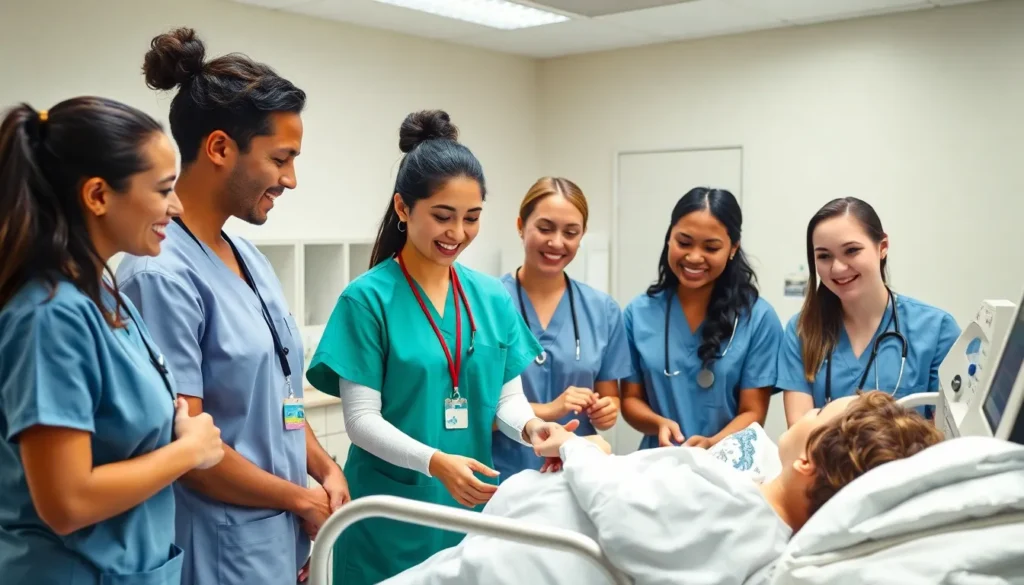
Nurse education today is like a rollercoaster ride—exciting, a bit dizzying, and full of unexpected twists. With the ever-evolving healthcare landscape, aspiring nurses find themselves navigating a maze of advanced technologies, innovative teaching methods, and the occasional caffeine-fueled late-night study session. It’s not just about learning to take blood pressure anymore; it’s about mastering the art of multitasking while keeping a smile on your face—because let’s be real, patients appreciate a good joke as much as they appreciate a well-placed IV.
Overview of Nurse Education Today
Nurse education today embodies a multifaceted approach that integrates traditional learning with practical experience. Aspiring nurses face advanced technologies that enhance patient care, requiring them to familiarize themselves with tools like electronic health records and telehealth platforms. Innovative teaching methods, such as simulation labs and online courses, create immersive learning environments that prepare students for real-world scenarios.
The rising demand for healthcare professionals has led to an increase in educational programs and partnerships with healthcare facilities. Opportunities for mentorship and hands-on training have become essential for developing clinical skills. Institutions now prioritize collaboration with hospitals and clinics, enabling students to gain vital experience while reinforcing their theoretical knowledge.
Multitasking emerges as a core competency in nursing education. Students juggle rigorous coursework while fulfilling clinical requirements, sharpening their time management skills. Maintaining a positive attitude fosters resilience in the face of challenges, allowing students to adapt to fast-paced environments characteristic of healthcare settings.
Regulatory changes further influence nurse education. Accreditation bodies emphasize the importance of competency-based education, ensuring that graduates possess the skills necessary for effective patient care. Programs increasingly align their curricula with these guidelines, equipping future nurses with the knowledge to excel.
Nurse education today reflects a commitment to adaptability, resilience, and practical experience. Stakeholders work together to enhance training and foster a new generation of nurses equipped to meet evolving healthcare demands.
Key Components of Nurse Education
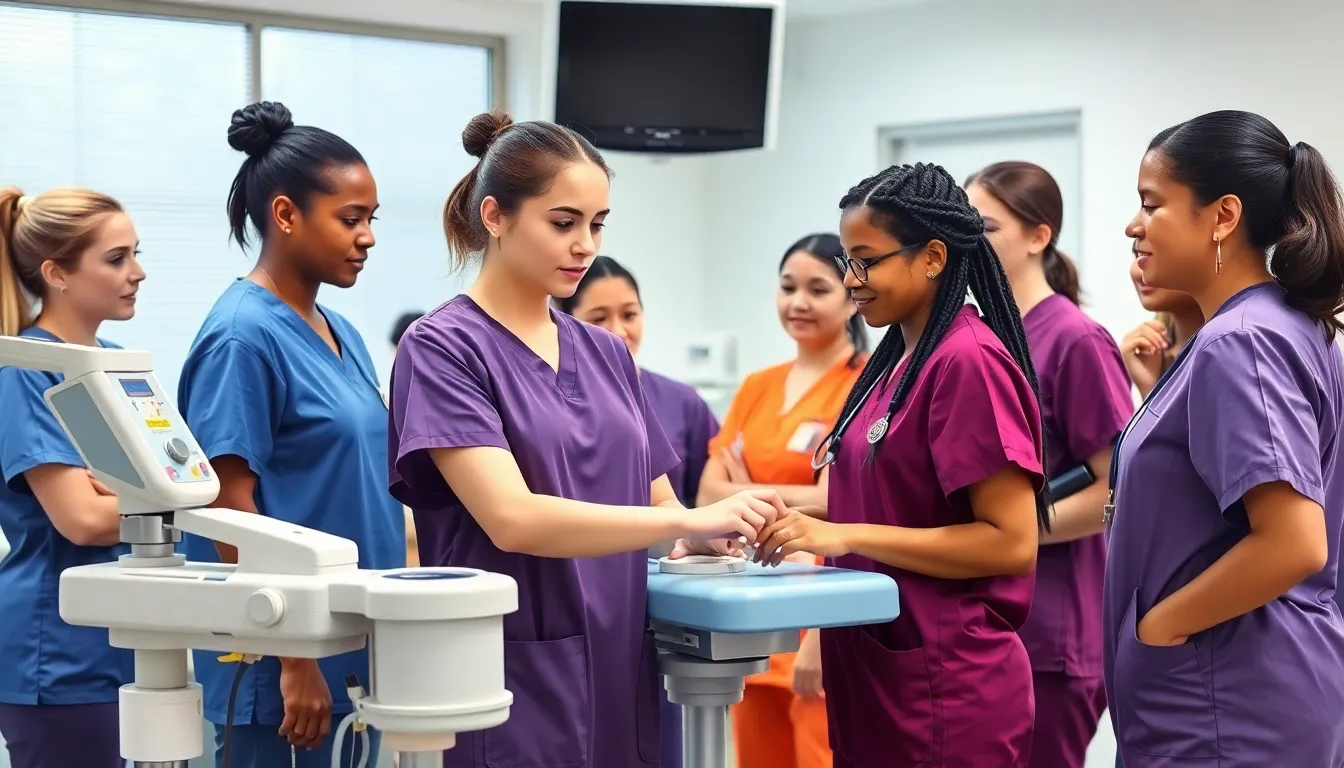
Nurse education embodies essential components that ensure aspiring nurses gain the needed skills and knowledge. These components focus on curriculum development and clinical training.
Curriculum Development
Curriculum development centers on integrating theoretical foundations with practical applications. Nursing programs emphasize current healthcare trends, technological advancements, and evidence-based practices. Faculty frequently update curricula to align with regulatory guidelines and competency-based frameworks. Students engage in diverse subjects, such as pharmacology, anatomy, and ethics, which provide a comprehensive understanding of patient care. Collaborations with healthcare facilities often influence course offerings, ensuring relevance and real-world applicability. Incorporating innovative teaching methods, like online courses and simulation labs, promotes interactive learning experiences that enhance student engagement.
Clinical Training
Clinical training forms a crucial aspect of nurse education, offering hands-on experiences in real healthcare settings. Students participate in intensive clinical rotations, gaining exposure to various medical specialties. Preceptors guide trainees, providing mentorship and assessing competencies in patient interactions. Structured clinical experiences emphasize critical thinking and effective communication skills essential for comprehensive care. Opportunities to practice procedures in safe environments build student confidence and readiness for diverse patient populations. Partnerships with local hospitals and clinics enable access to advanced technology and resources, enriching the training process.
Trends in Nurse Education
Nurse education continually evolves to meet the demands of healthcare. Focus on innovation and adaptability defines current trends.
Technology Integration
Technology integration plays a pivotal role in modern nurse education. Digital tools enhance learning experiences, with virtual simulations allowing for practical skill development. Online platforms facilitate access to courses, enabling flexible learning options. Additionally, students encounter electronic health records early in their training, preparing them for real-world scenarios. Interactive modules engage learners while reinforcing theoretical concepts. Data analytics tools also help educators assess students’ performance and adapt teaching strategies accordingly. Such advancements ensure nurses are equipped with essential skills to navigate an increasingly digital healthcare environment.
Focus on Specializations
Focus on specializations offers nurses opportunities to build expertise in specific areas. Programs emphasize critical fields like pediatrics, geriatrics, and mental health to address diverse patient needs. Specialized tracks equip students with advanced knowledge and practical skills tailored to these areas. Interprofessional education promotes collaboration among students from various disciplines, enhancing their understanding of comprehensive care. Faculty members frequently update specialty programs to keep pace with healthcare innovations. Employers increasingly seek nurses with specialized training, reflecting the importance of these tailored educational paths in today’s job market.
Challenges in Nurse Education Today
Numerous challenges impact nurse education today. Faculty shortages and student enrollment issues pose significant hurdles for institutions aiming to train competent nurses.
Faculty Shortages
Faculty shortages pose a serious challenge in nurse education. Many programs struggle to recruit qualified educators, leading to larger class sizes and reduced access to individualized student support. Approximately 80,000 qualified applicants to nursing programs did not gain admission in 2021 due to faculty shortages, according to the American Association of Colleges of Nursing. Additionally, the aging workforce contributes to this crisis, as many experienced educators retire without sufficient replacements. Institutions often compete for a limited pool of candidates, making it difficult to maintain quality education standards. As a result, student-to-faculty ratios increase, potentially compromising the learning experience and the future of healthcare.
Student Enrollment Issues
Student enrollment issues hamper the growth of nursing programs. A mix of factors contributes to reduced enrollment rates, including the rising cost of education and perceived workload. In 2022, nursing schools reported a decline in enrollment by about 4% compared to previous years. Many potential students feel discouraged by the rigorous program requirements and high-pressure environment, leading to fewer applicants. Financial barriers also play a role, as tuition costs deter individuals from pursuing nursing careers. Increased competition with alternative healthcare careers further complicates the situation. Addressing these enrollment challenges requires institutions to explore innovative strategies to attract and retain students while making nursing education more accessible and appealing.
The Future of Nurse Education
Nurse education is evolving rapidly, driven by technological advancements and changing healthcare needs. Emphasis on innovative teaching strategies shapes the training landscape.
Innovative Learning Methods
Simulation labs and online courses enhance practical experiences for nursing students. These immersive environments allow learners to practice skills in realistic scenarios. Incorporating virtual reality elevates engagement and prepares students for diverse clinical situations. Access to digital platforms lets students tailor their studies, accommodating various learning styles. Enhanced collaboration tools foster teamwork and communication, essential in healthcare settings. By embracing these innovative methods, nurse education cultivates a skilled workforce that adapts to an ever-changing industry.
Policy Changes
Regulatory updates play a crucial role in shaping nurse education. Recent policy changes promote competency-based frameworks that prioritize patient outcomes. Schools are aligning curricula with evolving standards, ensuring students receive relevant training. Enhanced accreditation processes require institutions to demonstrate quality outcomes in their programs. Encouraging interprofessional education helps future nurses collaborate effectively with other healthcare professionals. Through these policy shifts, nursing education continues to address current and future healthcare demands, fostering a resilient workforce equipped for success.
Nurse education today is a vital component of the healthcare system. As the landscape continues to evolve, aspiring nurses must embrace innovation and adaptability. The integration of technology and innovative teaching methods prepares students for the complexities of modern healthcare.
While challenges like faculty shortages and declining enrollment persist, the commitment to quality education remains strong. By fostering a supportive learning environment and promoting interprofessional collaboration, nursing programs can cultivate a skilled workforce ready to meet the demands of an ever-changing industry. The future of nurse education holds promise, ensuring that the next generation of nurses is equipped to provide exceptional patient care.
