
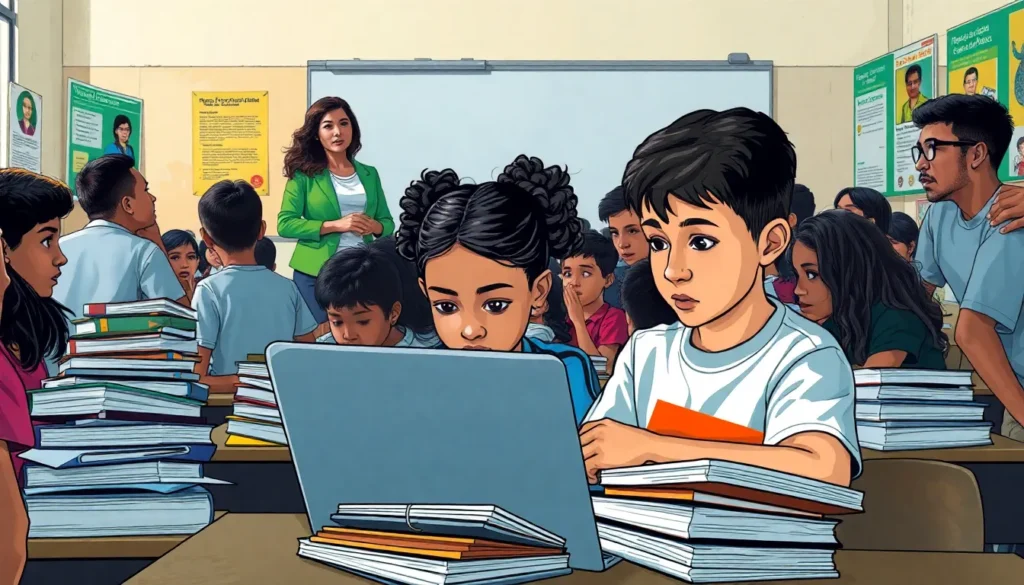
Education today feels like a rollercoaster ride, but not the fun kind. With budget cuts, overcrowded classrooms, and outdated curriculums, it’s no wonder teachers and students alike are feeling dizzy. Imagine trying to learn algebra while sitting next to a kid who thinks TikTok is a legitimate source of history—talk about a distraction!
The challenges in education go beyond the classroom. Students grapple with mental health issues, technology overload, and a system that often seems more focused on testing than teaching. As society pushes for innovation, the education system appears to be stuck in a time warp. It’s time to shine a light on these pressing problems and explore how they impact the future of learning. After all, if we want to prepare the leaders of tomorrow, we need to fix the issues of today.
Overview of Problems in Education Today
Budget cuts severely impact resources available to schools. Overcrowded classrooms limit individual attention teachers can provide students. Outdated curriculums fail to meet the needs of a rapidly changing job market. Distractions in learning environments hinder students’ focus and retention of information. Mental health issues among students have escalated, affecting their ability to learn effectively. Technology overload complicates learning, as students face an abundance of information but lack critical thinking skills to navigate it. An emphasis on standardized testing overshadows the importance of hands-on learning experiences, limiting creativity and problem-solving skills.
Support for teachers often lacks, contributing to burnout and turnover. Many educators struggle to balance workload while addressing diverse student needs. Inadequate training in integrating technology into lessons further exacerbates this issue. Furthermore, systemic inequality leads to disparities in educational opportunities. Low-income districts commonly experience fewer resources compared to their wealthier counterparts. Increased pressure to perform can also lead to unhealthy competition among schools.
Addressing these problems requires collaboration among educators, administrators, and policymakers. Immediate action can enhance educational environments and promote students’ overall well-being. Focusing on holistic education and emotional support will nurture well-rounded individuals capable of thriving in diverse settings. Prioritizing innovative teaching methods and modern curriculums ensures students are better prepared for future challenges.
Financial Challenges
Financial challenges critically affect the education system today. Budget constraints and resource distribution demand immediate attention for improvement.
Budget Cuts and Resource Allocation
Budget cuts directly impact educational institutions, limiting access to essential resources. Many schools experience reductions in funding, resulting in fewer teaching materials and outdated technology. Teachers often face challenges in delivering quality education due to these limitations. In low-income districts, the lack of funding exacerbates inequalities, creating a cycle of disadvantage. Every dollar allocated to education matters, as it directly influences classroom environments and student success. Increased funding could mitigate these issues and enhance overall educational quality.
Impact on Teacher Salaries and Morale
Teacher salaries frequently suffer due to financial constraints, leading to decreased morale. Many educators earn less than their counterparts in other professions, creating financial strain. Low salaries contribute to burnout, resulting in high turnover rates that negatively affect student learning. Additionally, when teachers feel undervalued, their motivation declines, impacting classroom dynamics. Improved compensation would not only recognize their contributions but also attract and retain talented educators. Investing in teachers creates a positive ripple effect throughout the educational system, benefiting both students and the community.
Inequity in Access
Inequity in access represents a major problem in today’s education system. Students from different socioeconomic backgrounds encounter significant barriers to high-quality education.
Socioeconomic Disparities
Socioeconomic disparities affect educational opportunities directly. Low-income students often attend underfunded schools with limited resources. Parents with fewer financial means face challenges accessing extracurricular activities, tutors, and advanced placement courses. Consequently, these limitations restrict academic growth and future opportunities. Schools in high-income areas generally offer more advanced technology and specialized programs. This stark contrast perpetuates achievement gaps and limits potential for students in lower-income settings.
Geographic Variation in Educational Resources
Geographic variation further exacerbates inequity in education. Urban schools and rural areas frequently receive unequal funding, creating disparities in access to resources. Urban schools may struggle with overcrowded classrooms, while rural schools might lack qualified teachers for advanced subjects. Limited internet connectivity remains a common issue in remote areas, hindering students’ ability to engage with online resources and technology. Access to quality education remains contingent on geographic location, fueling inequality across the educational landscape.
Quality of Education
Quality of education suffers from various systemic problems. Standardized testing, often relied on to measure student success, creates issues in accurately reflecting student abilities. Pressure on students results in teaching to the test rather than promoting genuine understanding. Critics argue that this approach favors rote memorization over critical thinking, impacting overall learning outcomes. Educators seek alternatives to better gauge student mastery that encourage deeper engagement and creativity.
Curriculum relevance and rigidity pose significant challenges as well. Most curriculums remain outdated, failing to align with today’s job market and emerging technologies. Many students engage with materials that lack real-world applications. Educators often struggle to adapt lesson plans, facing constraints that limit their ability to incorporate current events or innovative practices. The need for flexibility in teaching methods becomes critical to ensure students gain relevant skills needed for the future workforce.
Technology Integration
Technology integration in education presents significant challenges. The digital divide among students creates unequal access to learning resources. Low-income families often struggle with insufficient internet connectivity and lack of devices. This gap hinders students’ ability to participate fully in digital learning environments. Educational equity requires addressing these disparities to ensure all students can thrive in a tech-driven landscape.
Remote learning introduced additional complications. Several students face difficulties adapting to online platforms, leading to disengagement. Technical issues often disrupt lessons, making it hard for educators to maintain students’ focus. Many students miss out on interactive experiences crucial for developing critical skills. Adapting traditional teaching methods to online formats proves challenging for many educators. Strengthening support systems for remote learning can help mitigate these issues, creating a more effective educational experience for all.
Social and Emotional Factors
Social and emotional factors significantly impact students’ academic performance and well-being. Recognizing these challenges promotes a healthier learning environment.
Mental Health Concerns
Mental health issues among students have grown substantially, resulting in serious consequences for their education. Anxiety affects 31.9% of adolescents in the U.S., while depression impacts 13.0%. These conditions hinder concentration and motivation, making it difficult for students to engage fully in their studies. Unfortunately, limited access to mental health resources in schools exacerbates these problems, leaving many students without proper support. Schools can implement programs focusing on emotional literacy and resilience training to help alleviate some pressures. Creating safe spaces where students feel comfortable discussing their emotions also plays a crucial role in improving mental health outcomes.
Bullying and School Safety
Bullying remains a pervasive issue within educational institutions, directly affecting student safety and mental health. Approximately 20% of students report being bullied, which contributes to increased absenteeism and decreased academic performance. Schools face challenges in addressing bullying effectively, given the lack of sufficient resources and training for staff. Implementing anti-bullying programs and fostering a culture of respect and inclusion can help mitigate these issues. Furthermore, enhancing school safety promotes a supportive atmosphere where all students feel valued, significantly affecting their overall well-being and educational success.
The education system faces a multitude of challenges that require urgent attention. Addressing budget constraints and resource disparities is crucial for creating equitable learning environments. Moreover, prioritizing mental health support and innovative teaching methods can significantly enhance student engagement and success.
Collaboration among educators, administrators, and policymakers is essential to implement effective reforms. By fostering a culture of respect and inclusion, schools can combat bullying and promote student well-being.
Ultimately, tackling these issues will not only improve educational outcomes but also prepare students to thrive in an ever-evolving world. It’s time to take action and invest in the future of education for all students.
