
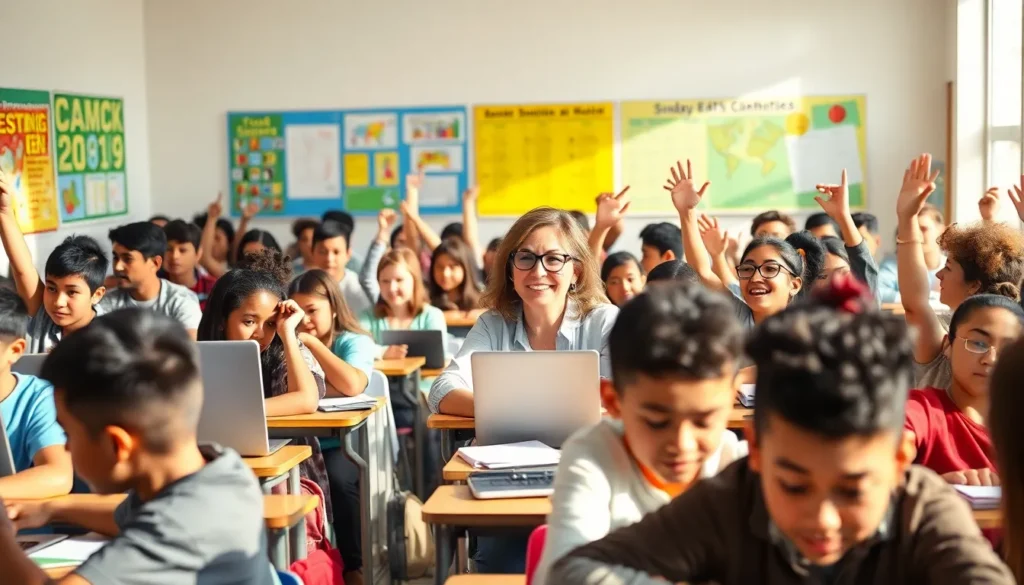
Education today feels like a rollercoaster ride—thrilling, unpredictable, and sometimes a little nauseating. With rapidly changing technology, shifting societal values, and a sprinkle of good old-fashioned budget cuts, it’s no wonder educators and students alike are feeling dizzy. From overcrowded classrooms to the debate over standardized testing, the issues are as diverse as a cafeteria lunch menu.
Overview of Major Issues in Education Today
Rapidly changing technology presents significant challenges in education. Teachers often struggle to keep up with the latest tools and platforms. Limited training complicates their ability to integrate technology effectively into the classroom. Budget cuts exacerbate these challenges, restricting resources and support for both educators and students.
Overcrowded classrooms hinder personalized learning experiences. Many students receive insufficient attention due to high student-to-teacher ratios. Standardized testing continues to spark debate regarding its effectiveness in measuring student learning. Critics argue that it narrows the curriculum and adds unnecessary pressure on students and teachers alike.
Shifting societal values contribute to varying expectations in education. Increased emphasis on social emotional learning reflects growing awareness of mental health issues. Educators face the challenge of balancing academic rigor with the emotional needs of their students. Furthermore, disparities in access to quality education persist across socioeconomic boundaries. Many students in underfunded districts receive inadequate resources, which perpetuates the cycle of poverty.
Cultural diversity in classrooms introduces both opportunities and challenges. Diverse student populations require educators to adopt inclusive teaching strategies. Parents and community engagement are vital for fostering collaboration between schools and families. It is essential to address these multifaceted issues to create a more equitable educational environment for all students.
Funding and Resources

Funding and resources play a crucial role in shaping the quality of education today. Inadequate financial support leads to uneven learning experiences across different districts.
Disparities in Educational Funding
Disparities in educational funding create significant gaps in resource availability. Wealthier districts often enjoy ample funding, allowing for updated technology and extracurricular activities. In contrast, underfunded schools struggle with basic supplies and outdated materials, affecting student learning outcomes. According to the National Center for Education Statistics, schools in low-income areas receive nearly $6,000 less per student compared to their wealthier counterparts. Such financial inequalities hinder educational equity, leaving marginalized students at a disadvantage. Access to advanced course offerings remains limited in these underfunded schools, further contributing to achievement gaps among students.
Impact of Budget Cuts on Schools
Budget cuts severely impact schools, directly influencing the quality of education. Schools facing funding reductions cut essential programs like arts and music, which foster creativity and engagement. Teachers often experience increased workloads due to staff shortages, leading to diminished classroom support. Recent studies indicate that budget cuts can lead to a decrease in student performance by as much as 10%. These financial constraints foster overcrowded classrooms, making personalized instruction difficult. In low-income areas, schools may lack basic resources such as textbooks and adequate technology, significantly affecting student preparedness for future challenges.
Teacher Recruitment and Retention
Teacher recruitment and retention presents significant challenges in today’s education landscape. Finding qualified educators proves difficult amid competing career options and changing societal perceptions of teaching.
Challenges in Attracting Qualified Educators
Attracting qualified educators necessitates addressing multiple barriers. Low salaries contribute to teachers’ decisions to leave the profession, with many earning $6,000 less per student compared to those in wealthier districts. Workload concerns also deter potential candidates, highlighting the pressures faced in the classroom. Additionally, a lack of support systems leaves educators feeling isolated and undervalued. Many new teachers cite inadequate mentoring and guidance as a reason for leaving the field. By focusing on improving compensation, creating supportive environments, and enhancing the teaching profession’s image, schools can better attract strong candidates.
Support and Professional Development for Teachers
Support and professional development are essential for retaining educators. Comprehensive training opportunities enable teachers to adapt to evolving educational demands and technologies. Ongoing professional development fosters a sense of growth, keeping educators engaged in their roles. Effective mentoring programs enhance novice teacher experiences, providing crucial guidance. Schools that invest in continuous learning create a more positive and supportive culture, which improves teacher satisfaction. By prioritizing these initiatives, educational institutions can bolster retention rates and ensure high-quality teaching for students.
Curriculum and Educational Standards
Curriculum and educational standards face significant scrutiny in today’s world. Relevance to modern society drives discussions among educators and policymakers.
Relevance of Curriculum to Modern Society
Curriculum must reflect current societal needs to prepare students for future challenges. Integrating technology and critical thinking in lessons enhances student engagement. Furthermore, curricula that emphasize social emotional learning support students holistically. Without attention to diversity, education risks excluding valuable perspectives from various cultures. Adapting content to address real-world issues promotes student interest and success. Schools that prioritize flexible and inclusive curricula cultivate environments rich in collaboration and creativity.
Standardized Testing Concerns
Standardized testing generates ongoing debate about its effectiveness in measuring student learning. Many argue that these tests promote a narrow focus on rote memorization rather than critical thinking skills. High stakes tests create pressure that impacts both student performance and teacher efficacy. According to the National Center for Fair & Open Testing, over 75% of teachers feel testing limits their ability to teach creatively. When evaluation depends heavily on test scores, it overlooks individual student progress and unique learning styles. Schools that embrace alternative assessment methods often see improved engagement and a deeper understanding of subject matter.
Equity and Access to Education
Equity and access to education highlight significant disparities within the education system. Marginalized communities frequently encounter barriers that hinder their educational opportunities.
Barriers Faced by Marginalized Communities
Barriers faced by marginalized communities include systemic inequities in funding and resource allocation. Underserved areas often lack adequate educational facilities, leading to compromised learning environments. Such districts struggle with overcrowded classrooms, making it challenging for teachers to provide individualized attention. Moreover, transportation issues further exacerbate the challenges for students who live far from schools. According to the National Center for Education Statistics, low-income schools receive nearly $6,000 less per student than their wealthier counterparts, creating significant achievement gaps. These conditions impact students’ academic performance and emotional well-being.
Access to Technology and Online Learning
Access to technology and online learning presents another crucial challenge. Although digital resources are increasingly important for education, many students from low-income families lack reliable internet access or appropriate devices. The COVID-19 pandemic has highlighted these disparities, as remote learning became essential. Reports indicate that 14 million students lacked the necessary technology to participate in online classes effectively. Schools in affluent areas often provide students with laptops and internet hotspots, while underfunded institutions struggle to provide basic tech support. By addressing these access issues, educational institutions can help bridge the digital divide and enhance learning experiences for all students.
Mental Health and Student Wellbeing
Mental health significantly impacts student wellbeing within educational settings. Schools now recognize that emotional challenges among students are on the rise, directly affecting academic performance and overall development.
Increasing Mental Health Challenges
Students face increasing pressures from academics, social dynamics, and extracurricular obligations. A 2021 survey by the National Institute of Mental Health reported that 1 in 5 adolescents experience a mental health disorder. Anxiety, depression, and loneliness rank among the most common issues. The COVID-19 pandemic heightened these challenges, with educational disruptions exacerbating feelings of isolation. High-stakes standardized testing further contributes to stress, leaving students to navigate immense pressure with limited coping strategies. Addressing these challenges requires a robust understanding of mental health to foster an environment conducive to emotional resilience and support.
Support Systems for Students
Support systems play a crucial role in enhancing student wellbeing. Schools that prioritize mental health offer resources such as counseling services, peer support groups, and mental health professionals. Evidence from the National Alliance on Mental Illness indicates that schools with comprehensive mental health programs see improved academic outcomes and reduced disciplinary incidents. Collaborations with community organizations can broaden access to mental health resources, ensuring students receive necessary support. Encouraging open discussions about mental health reduces stigma and makes students feel safe seeking help. Schools must integrate these support systems into their culture to promote holistic development and academic success.
The landscape of education today is undeniably complex and fraught with challenges. Addressing issues like overcrowded classrooms and disparities in funding is crucial for creating equitable learning environments. The integration of technology and support for mental health is essential to meet the needs of all students.
Moreover, fostering a culture of collaboration among educators, parents, and communities can help bridge gaps and enhance educational quality. By prioritizing inclusive curricula and innovative assessment methods, schools can better prepare students for the demands of the future.
Ultimately, a concerted effort is needed to tackle these pressing issues and ensure that every student has access to a high-quality education that promotes both academic success and emotional well-being.
